The First Job a Landlord Should Let Go
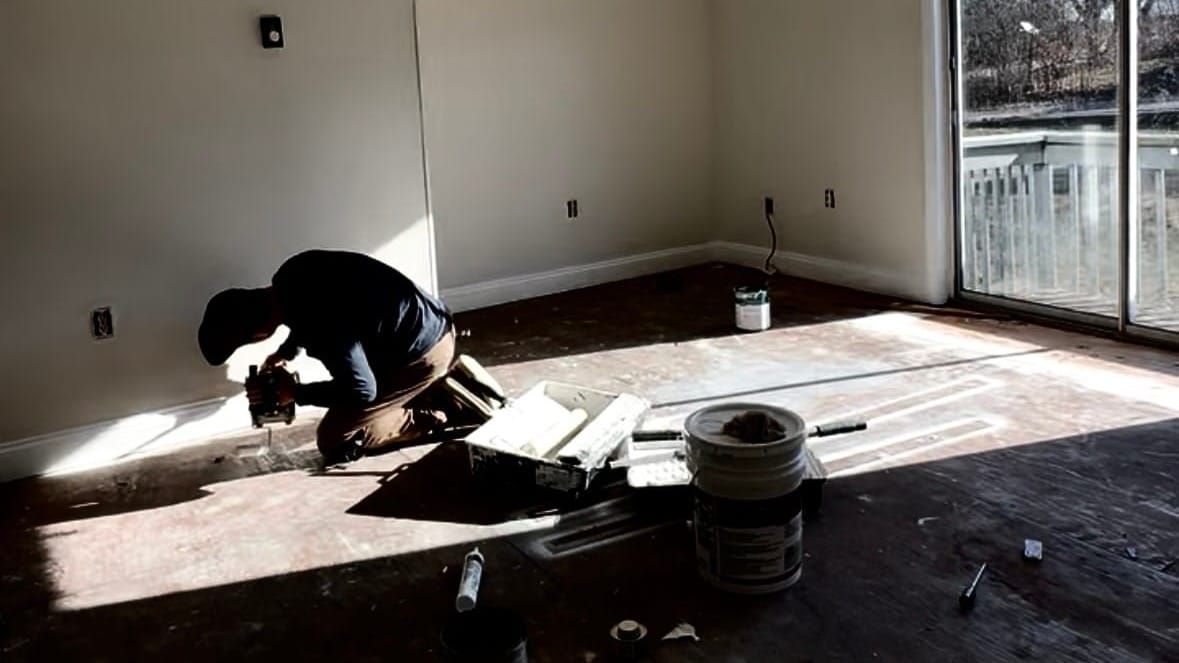
It's 3 a.m.
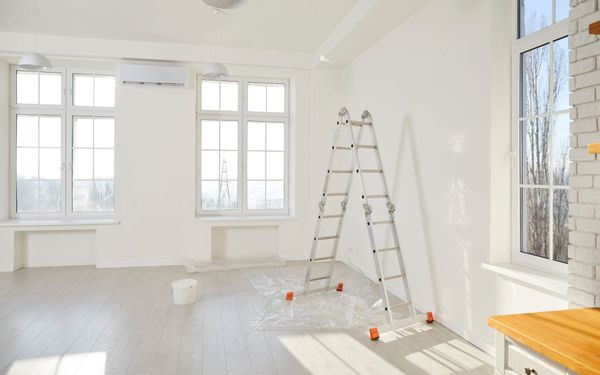
You're standing in an empty unit with a roller in your hand. New tenants move in tomorrow. You've got two hours of painting left — maybe more — and that's before you load up, sweep the floors, and haul the drop cloths out to the dumpster.
Your back hurts. Your eyes hurt. You keep running the math on how little sleep you’ll get before the day starts all over again.
And here's the part nobody warns you about: this isn’t a one time thing. This isn't bad luck. It's the system you built. You just didn't know you were building it.
Let me explain.
When you bought your first unit, doing the work yourself was the smartest move you could make. You didn't have cash for a crew, instead you learned to do the basics, and every weekend you spent in that unit was a check you didn't have to write. That's not a mistake. That's how a lot of good operators get started. Saving on labor costs by doing it yourself is big early on.
But somewhere along the way, the habit that built your business quietly became the thing running it. You added a second unit. A third. A building. And the work that made sense when every dollar made a big difference — the painting, sure, but also the repairs, the runs, the cleanup, all of it — began to dominate your daily schedule. Nobody ever tells you the truth: the skills that got you here are not the same skills that get you out. So you keep doing all of it yourself, and "all of it" keeps growing.
So here you are at 3 a.m., the owner and operator, frantically painting to save money.
I've stood in that room. I've done the 3 a.m. work more times than I want to admit, telling myself the whole time that I was saving money(and maybe I was). So I'm not going to tell you any of it is beneath you, or that you're doing it wrong. I'm going to tell you the thing it took me too long to learn: if your goal is to be more financially free — then freedom doesn't look like doing more work that saves money. It looks like doing less of it yourself. And of everything on your plate, painting is the first thing to hand off.
Here's why painting, and not something else.
Of every job in a turnover, painting is the easiest one to hand off. Not because it doesn't matter — because it's predictable. A wall is a wall is a wall. The work barely changes from one unit to the next, which makes it the easiest job to put a price on, the easiest to write a clean scope for, and the easiest to compare one quote against another. You can't say that about a kitchen. Painting is where the handoff is cleanest. That's exactly why it should be the first domino to fall.
Now I'll be straight with you, because not everybody reading this wants the same thing.
If you know exactly what you want — a handful of doors, low stress, real money in your pocket, and a life that fits inside your own two hands — then keep painting, and keep it with pride. Choosing simplicity on purpose isn't thinking small. It's thinking clearly. It's knowing what "enough" looks like and refusing to let the business grow past it. That's not a lesser path; for a lot of people it's the entire point. Learn to paint well, build a tool kit so your setup and breakdown take minutes instead of hours, and turn a unit or two a year yourself. That'll save you around $1,500 a unit— and for a life built around enough, that's a vacation, not a rounding error. There's nothing small about that.
But that's not the person standing in the unit at 3 a.m. The person at 3 a.m. has too many doors to be doing all the work themselves — and is doing it anyway, out of habit, out of that old survival instinct that says paying someone else is losing money.
That instinct is the lie. And here's the truth it's been hiding from you.
You think you're saving money by doing it yourself. You're not. You just never counted what it costs you. You don't bill your own hours — and even when you try, you undercount them. You forget the time you spent thinking about the job on the drive home. You forget the run to Home Depot and the twenty minutes standing at the paint counter. You forget that while you were rolling that wall at 3 a.m., the lease that didn't get signed, the call you didn't return, the deal you never looked at — those cost you too. That's money being killed quietly, off the books, where you can't see it.
So before you pick up the brush on your next turnover, do one thing. Count. Track your real hours on the next unit — all of them, including the invisible ones — and put an honest number on what your time is worth. Because the day you finally see that number is the day the math flips. You'll look at a quote that used to make your eyes drop out of your head, and you'll realize the contractor was never the expensive one.
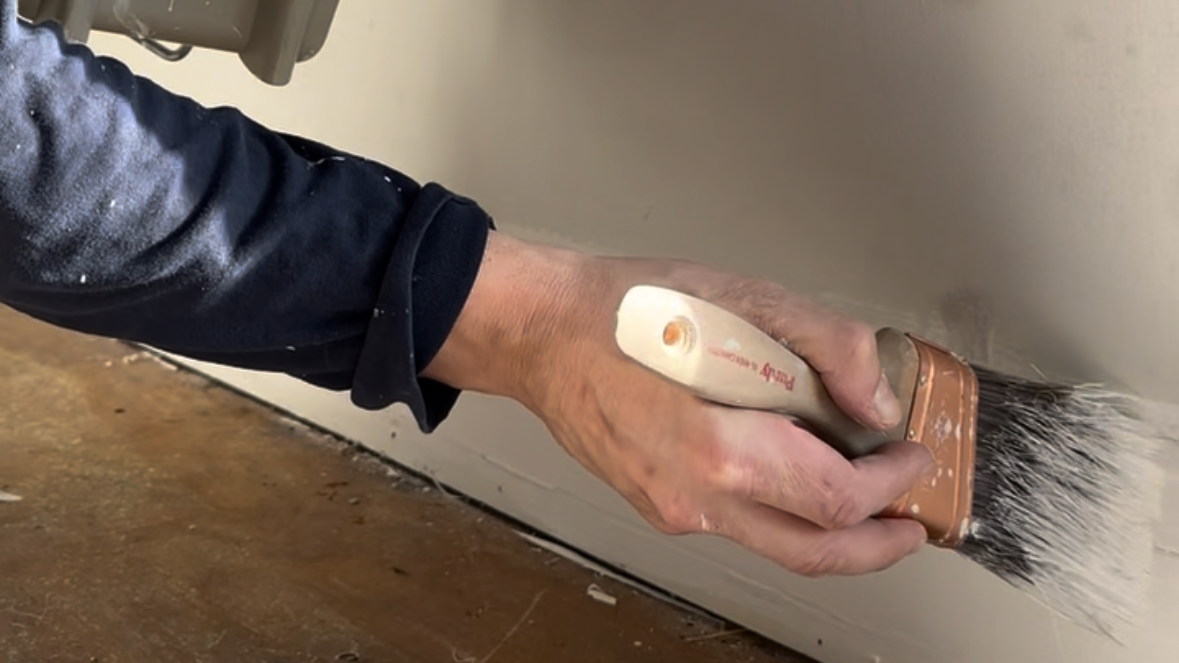
You were.
Now picture the next turnover going differently. The tenant gives notice. You make two calls. The painter handles the walls; you handle the things only you can do — the lease, the numbers, the next move. The unit's ready on time. And at 3 a.m., you're asleep — because the business did the work, not you.
That's the whole game. Not working faster. Not grinding harder. It's building something that doesn't need you in an empty unit in the dark to survive.
You learned to do it all to build this business. Now it's time to start letting it go, so the business can finally give you your life back.
The next unit that turns, don't reach for the brush out of habit. Stop. Ask what it's actually costing you to be the one holding it.
That single question is where this whole thing starts.
If this was useful, get the next one in your inbox.